Introducing the
1° International Congress on Public and Administrative Law
Aula Magna, Faculty of Law, University of Buenos Aires (UBA). Pres. Figueroa Alcorta Av. 2263, C1425, CABA.
November 3rd and 4th, 2025
Participation is free of charge. Prior registration required. Certificates of attendance will be provided
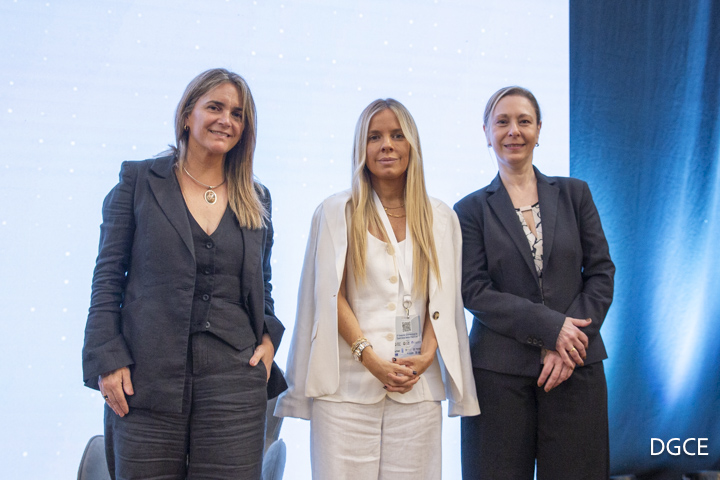
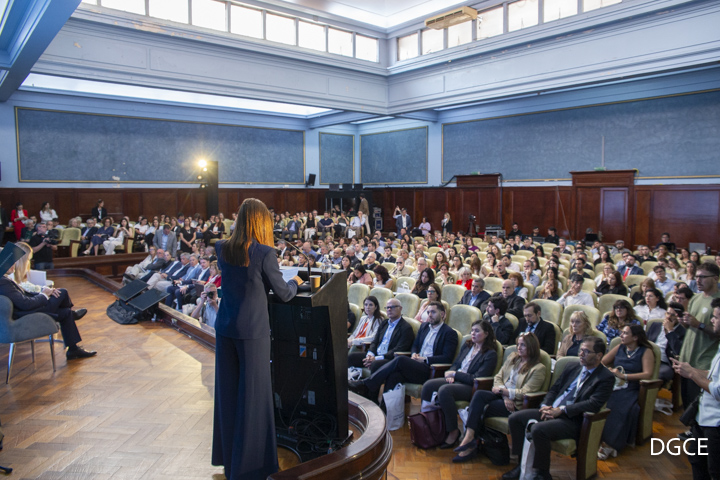
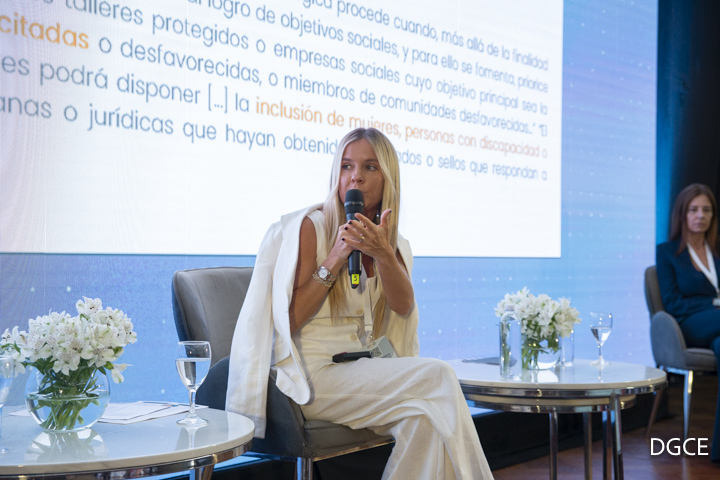
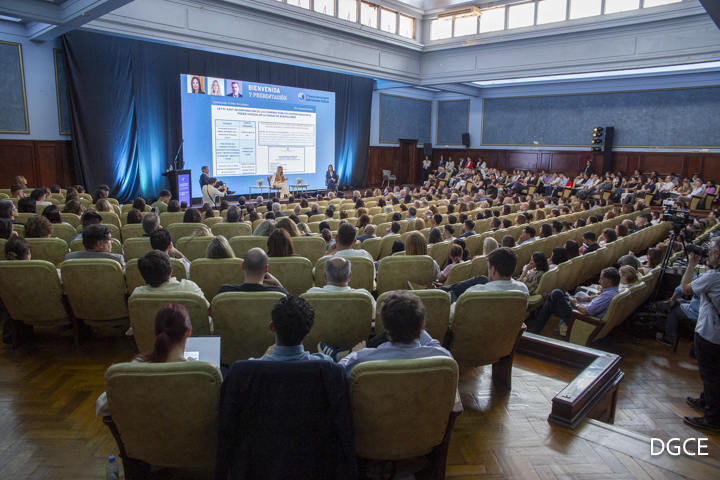
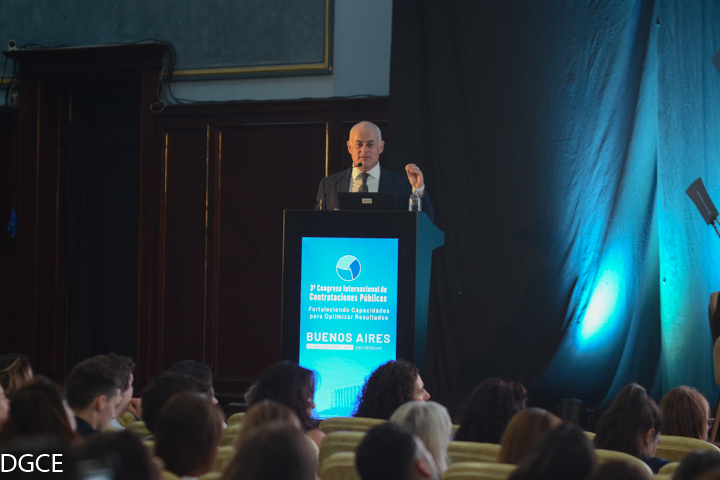
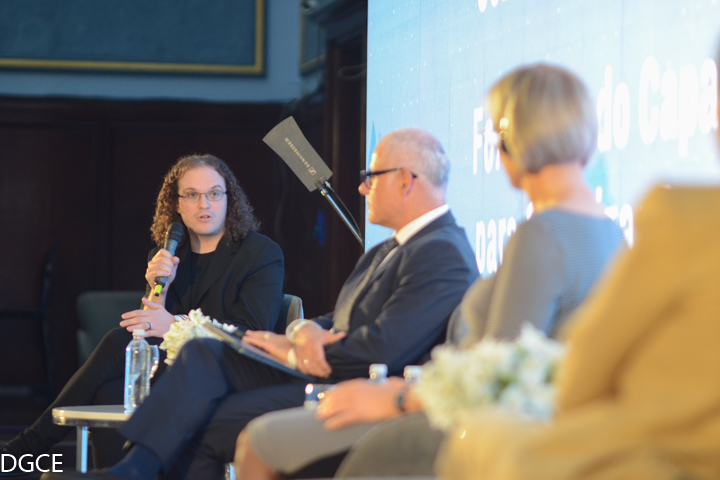
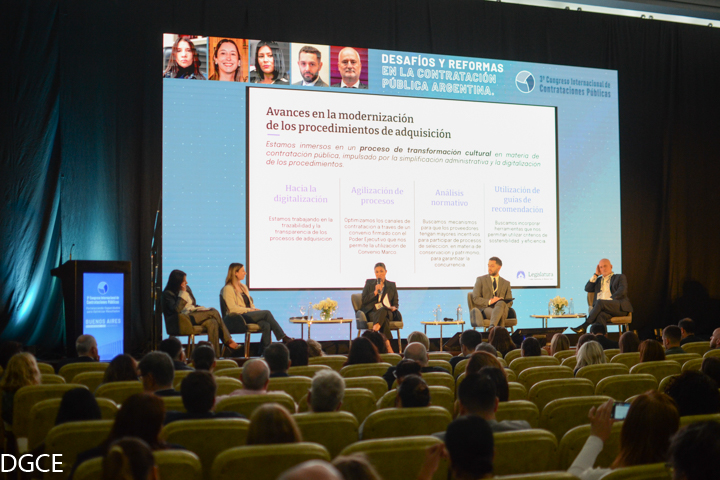
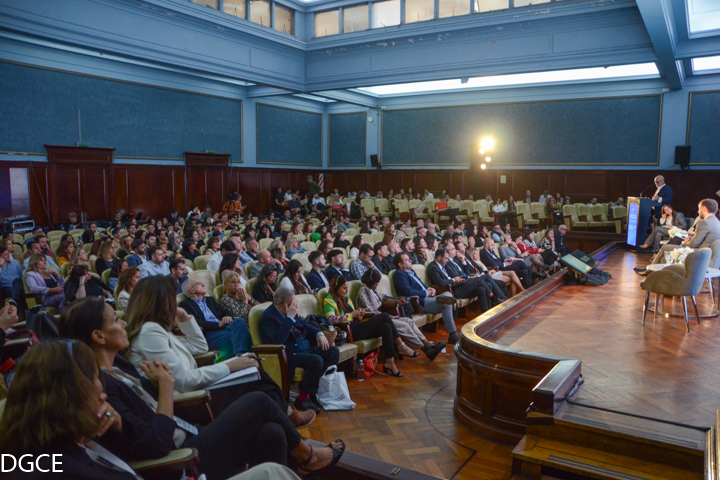
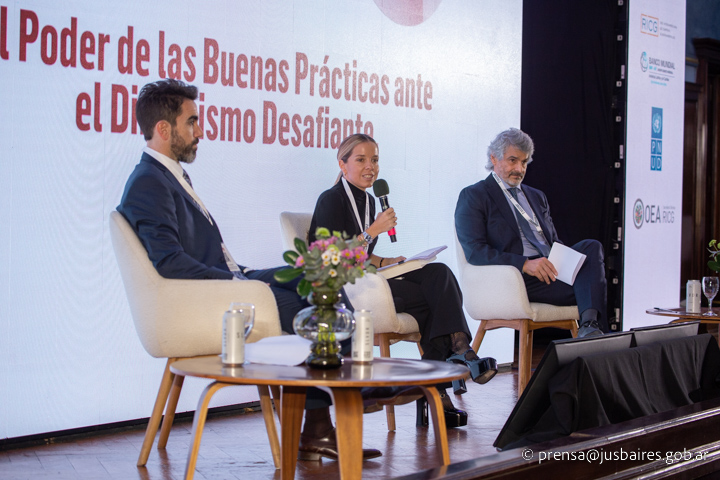
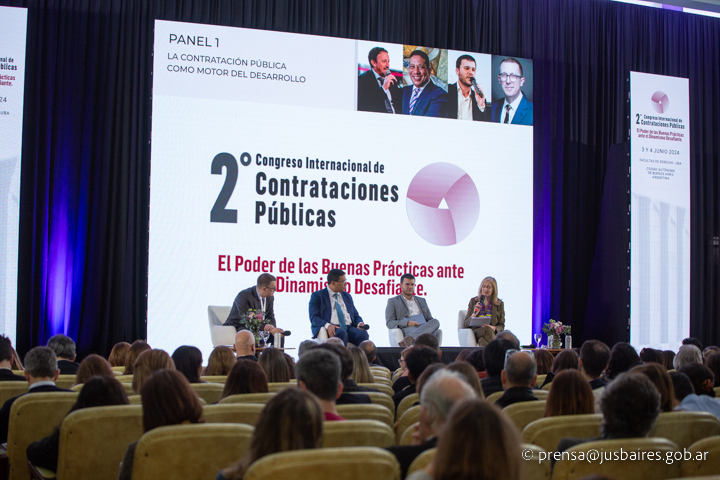
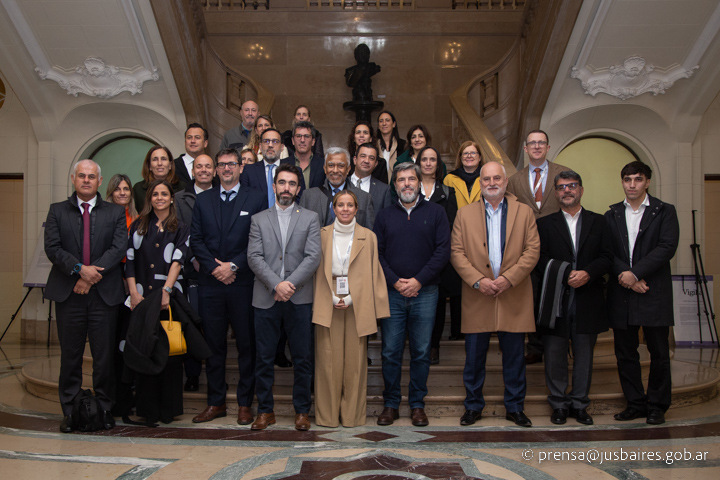
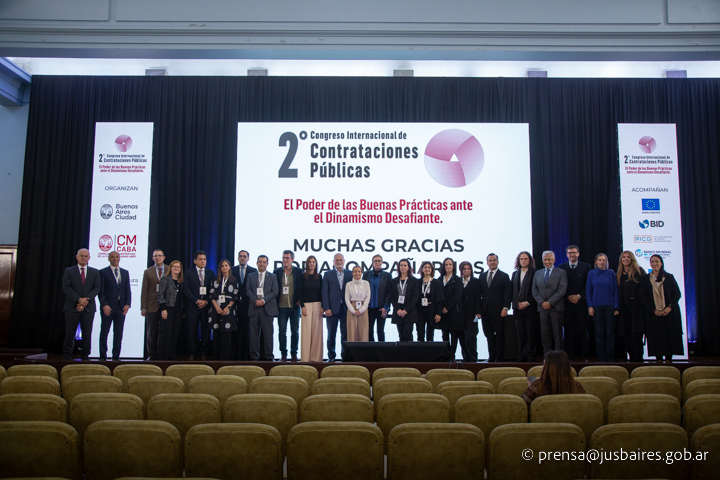
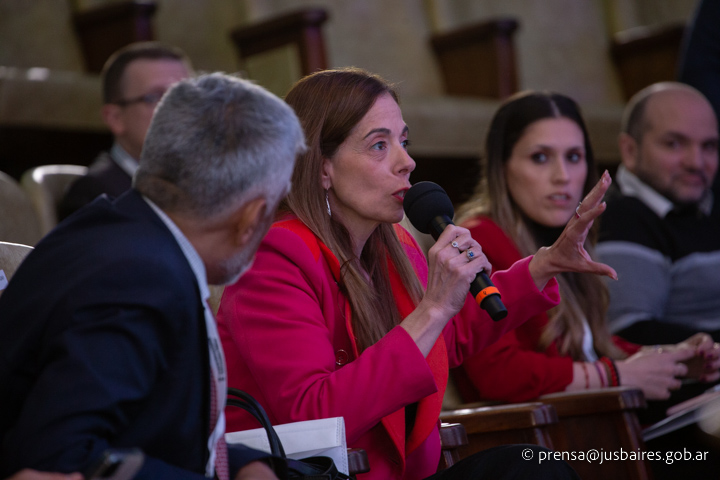
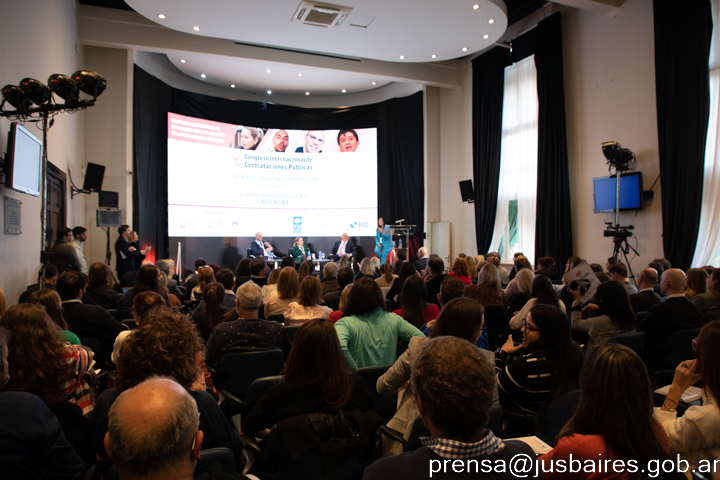
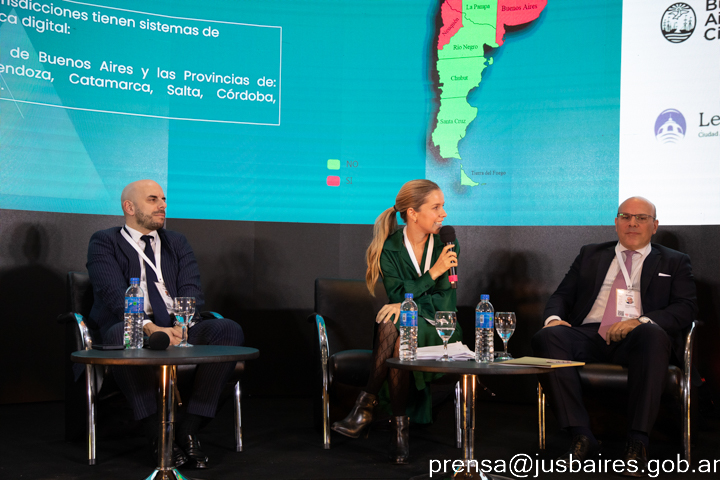
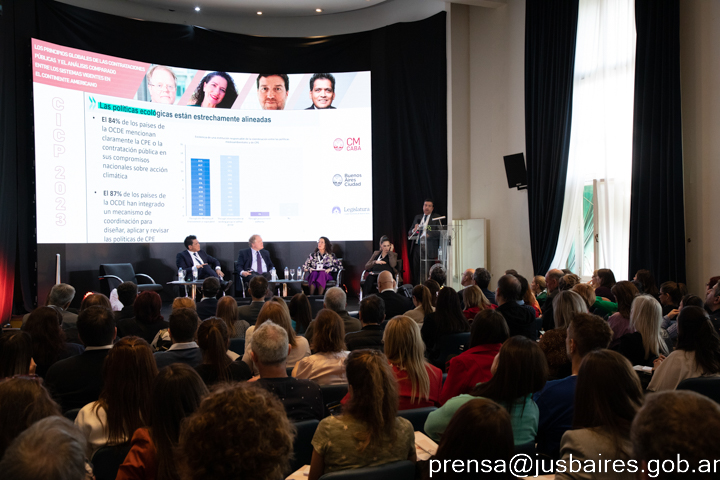
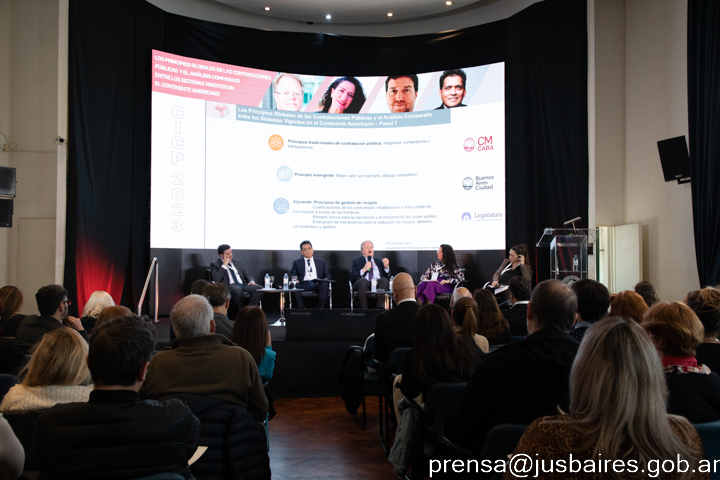
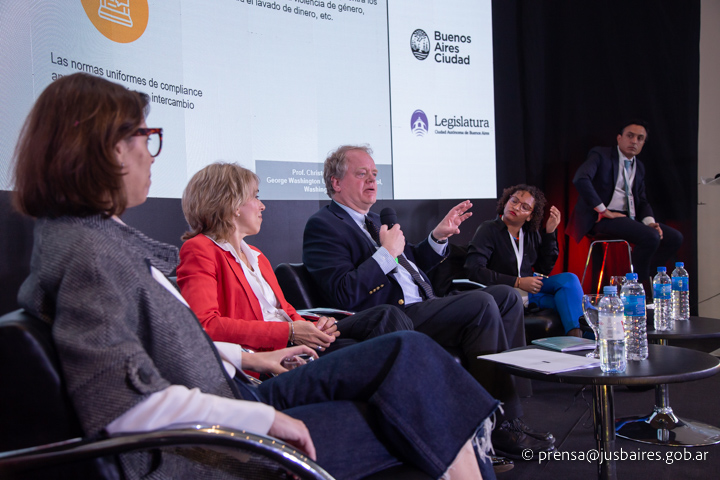
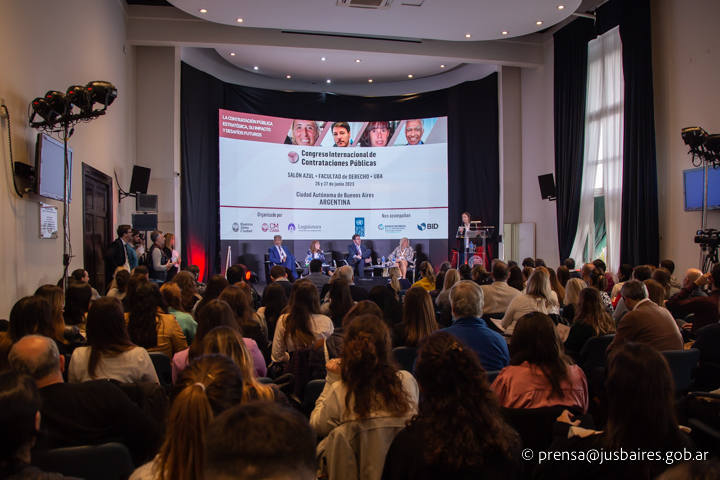
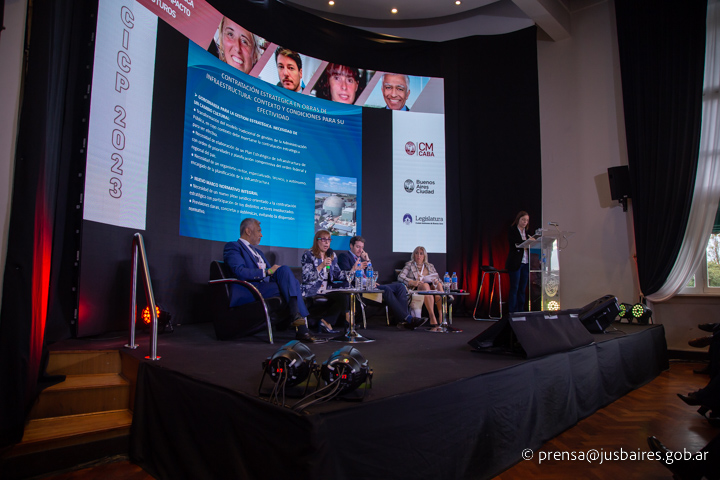
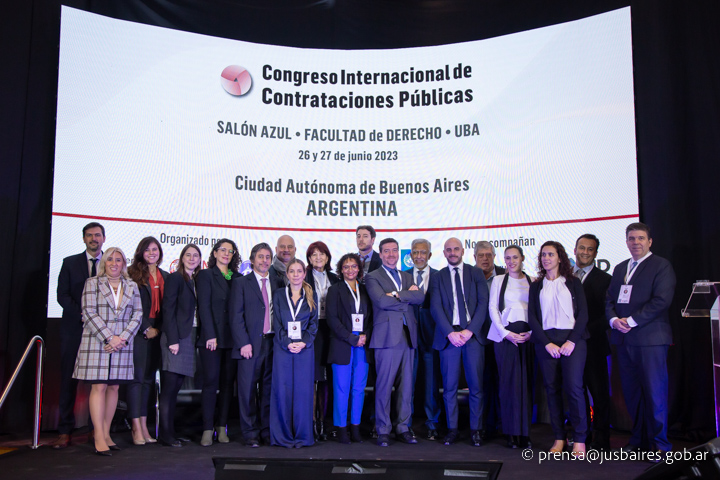
A new edition of the International Congress on Public Procurement is coming.
Throughout its previous editions, the Congress has brought together national and international experts from academia, government, the private sector, and multilateral organizations, establishing itself as a leading forum for the exchange of ideas and experiences regarding the role of public procurement.
In a global context shaped by technological transformations, new social demands, and increasing requirements for transparency and efficiency, public procurement faces the challenge of redefining itself not merely as an administrative procedure, but as a strategic public policy tool.
In this new edition, the Congress takes a further step by incorporating a broader perspective on the role of the State and an expanded approach to Administrative and Public Law.
Accordingly, the Congress will address public procurement from both an operational and strategic perspective, examining its practical functioning, its capacity to generate results, and its potential as a tool for state transformation. The program will promote discussions on innovation, the incorporation of new technologies, transparency, efficiency, professionalization, and comparative regional and international experiences, while also integrating perspectives from Administrative and Public Law in order to further explore the regulatory, institutional, and governance frameworks that structure state action.
In this way, the Congress seeks to approach public procurement in all its complexity: from its rules and procedures to its impact on the design, implementation, and evaluation of public policies.
The Congress therefore offers a space for reflection and debate aimed at developing concrete tools that contribute to strengthening more efficient, transparent, and results-oriented public systems, while generating meaningful contributions to decision-making processes.
We look forward to welcoming you to this new edition!
How can public procurement systems ensure equal treatment among bidders? What challenges do emerging technologies pose for the application of the traditional principles of public procurement?
How does artificial intelligence impact public procurement processes and governmental decision-making? What opportunities and risks does automation present in terms of transparency, efficiency, and oversight?
How do international and regional agreements impact national public procurement systems? What challenges and opportunities does the Mercosur–European Union Agreement present for public markets? Which comparative experiences help identify best practices in openness, competition, and international cooperation? How can global standards be reconciled with national and regional priorities?
How is state intervention being redefined in contemporary markets? Which institutional models (independent agencies, ministries, commissions) are most effective? What safeguards should be adopted to protect regulatory integrity? How can the judicialization of regulation be mitigated? What are the limits of self-regulation?
How can transparency and access to information be strengthened in public procurement processes? What role do open data play? How does the professionalization of procurement teams enhance the efficiency, integrity, and quality of public procurement?
How can public procurement become a strategic tool for achieving public policy objectives? Which mechanisms allow the measurement of impact, outcomes, and public value in government purchasing? How can criteria related to innovation, inclusion, sustainability, and productive development be incorporated into procurement policies?
Which models govern state liability? Are objective or subjective standards prevailing? How should state omissions in the face of foreseeable risks (health, security, public services) be assessed? What standards of diligence should apply? Are existing complaint and redress mechanisms effective? How does international responsibility impact domestic liability? What forms of reparation are enforceable in cases of rights violations?
What are the main pending challenges regarding oversight, competition, and professionalization? How can the relationship between technological innovation and legal certainty be strengthened? What role should oversight bodies and new digital tools play in the future of public procurement?
Which elements of administrative law are becoming globalized, and why? Which transnational actors are the most influential? Are there global administrative principles? How can regulation be coordinated across different levels (local, national, regional, supranational)? Which mechanisms of administrative cooperation work best? What tensions arise between sovereignty and global obligations? Which institutional reforms are most urgent for a legitimate and effective global administrative law?
.
Speakers

Genoveva Ferrero
General Secretariat for Administration and Budget of the Judiciary of the City of Buenos Aires
View CV
Carlos F. Balbín
Full Professor of Administrative Law, Faculty of Law, University of Buenos Aires (UBA).
View CV
Christian Gribaudo
Administrative Secretary of the Legislature of the Autonomous City of Buenos Aires
View CV
María Victoria Anadon
Executive Director of the Provincial Procurement Agency (OPC) of the Province of Buenos Aires
View CV
Javier Dávila Perez
Chief of the Financial Management and Procurement Division at the Inter-American Development Bank (IDB)
View CV
Mario R. Spasiano
Director of the Master’s Degree Program in Public Procurement and Public Administration Contracts, University of Campania “Luigi Vanvitelli”.
View CV
Percy Orlando Mogollón Pacherre
Professor, Faculty of Law, Universidad Católica Santo Toribio de Mogrovejo, Chiclayo, Peru
View CV
Amalia Peralta
Director General of Artificial Intelligence, Legislature of the Autonomous City of Buenos Aires
View CV
Piergiuseppe Otranto
Senior of Counsel at Deloitte Legal Italy. Professor of Administrative Law at the University of Bari Aldo Moro.
View CV
Marcos Serrano
Director of the Specialization Program in Public Procurement at Austral University
View CV
Christopher Yukins
Professor of Public Procurement Law and Researcher, George Washington University, United States.
View CV

Jacobo Pastor García Villarreal
Senior Policy Specialist on Public Integrity and Public Procurement at the Organisation for Economic Co-operation and Development (OECD)
View CV

Karina Cicero
Prosecutor before the Administrative and Tax Appeals Court of the Autonomous City of Buenos Aires and Associate Professor at the University of Buenos Aires School of Law
View CV
José Félix Palomino Manchego
Dean of the Faculty of Law and Political Science, National University of San Marcos (UNMSM)
View CV
Marisa Tojo
Undersecretary for Operational Management, Ministry of Finance, Government of the Autonomous City of Buenos Aires
View CV


Daniel Sánchez
International Expert in Public Finance and Procurement Paris Agreement Support Unit
View CV
Paola Laurenzano
Procurement Coordinator at the United Nations Development Programme (UNDP) Argentina.
View CV

Isis Burgues
Director of the State Procurement Regulatory Agency of the Oriental Republic of Uruguay
View CV
Adolfo José Arce Olmedo
Director General of Contract Verification at Paraguay’s National Directorate of Public Procurement
View CV
Justo Reyna
Director of the Graduate Specialization and Master's Program in Administrative Law, Faculty of Legal and Social Sciences, National University of the Littoral
View CV

Susana E. Vega
Full Professor of Administrative Law at the University of Buenos Aires. Professor in the Master's Program in Administrative Law and Public Administration at the University of Buenos Aires and in postgraduate programs at public and private universities.
View CV
Domingo Sesin
Full Professor of Administrative Procedural Law and Co-Director of the Master’s Program in Administrative Law, National University of Córdoba
View CV
Ezequiel Cassagne
Partner at Cassagne Abogados – Professor of Administrative Law, University of Buenos Aires (UBA).
View CV
Facundo Marín
Undersecretary for Goods and Services Procurement Procedures of the Province of Salta
View CV

Alberto Biglieri
Director of the Institute of Administrative Law, Public Bar Association of the City of Buenos Aires (CPACF).
View CV
Oscar Cuadros
Director of the Master’s Program in Administrative Law, National University of Cuyo, Mendoza, Argentina
View CV
Mariana Lozza
Independent Arbitrator and Specialist in International Arbitration and Disputes Involving States
View CV
Javier Junceda
Full Member of the Royal European Academy of Doctors. Attorney and Professor of Administrative Law
View CV
Fernando García Pullés
Full Professor of Administrative Law, Faculty of Law, University of Buenos Aires (UBA).
View CVModerators

Natalia Tanno
Judge of First Instance in Administrative and Tax Litigation for the Autonomous City of Buenos Aires.
View CV
Laura Tesouro
Professor of Administrative Law at the University of Buenos Aires School of Law
View CV
Claudia Beatriz Deni
Deputy Director of the Institute of Regulatory Law, Public Bar Association of the Federal Capital (CPACF)
View CV
Andrea Ogliese
Undergraduate and Graduate Professor at the University of Buenos Aires School of Law
View CV
Gabriela Morel
Lawyer, Specialist and Master’s Degree Candidate in Administrative Law and Constitutional Law. Lecturer at the University of Buenos Aires.
View CV
Nora Luzzi
Coordinator of the Democratic Governance Area at the United Nations Development Programme (UNDP) in Argentina.
View CV
Álvaro Herrero
Director General of Research and Institutional Relations, Council of Magistrates of the City of Buenos Aires.
View CV
Bárbara Fernandez Villa
Undersecretary for Legal Affairs at the Ministry of Justice of the Argentine National Government
View CV
Tomás Agustín Rodriguez Esposito
Undersecretary of Legal and Technical Affairs, Municipality of Avellaneda
View CVClick the button below to register.
Register now